
News

EU Platform Workers Directive in Ireland: What Employers Need to Know Before 2026
The EU Platform Workers Directive will significantly change how organisations classify contractors and gig workers across Europe. Many organisations rely on contractors, freelancers, or platform workers to deliver services. Under the upcoming EU Platform Workers Directive, some of these workers may legally be treated as employees unless the business can prove genuine self-employment. Employers who fail to assess these arrangements risk tax liabilities, employment claims, and regulatory scrutiny. What Is the EU Platform Workers Directive The Platform Workers Directive is new EU legislation designed to regulate work performed through digital platforms. Examples of platform work include services arranged through: Ride-hailing [...]

Mandatory Retirement After 65 in Ireland: What the New Law Requires Employers to Do
Mandatory retirement clauses remain common in Irish employment contracts, but recent legal changes have altered their operation in practice. The Employment (Contractual Retirement Ages) Act now requires employers to justify retirement decisions through an individual assessment process. Businesses that continue to rely on automatic retirement clauses risk disputes at the Workplace Relations Commission.What the Employment (Contractual Retirement Ages) Act Means for EmployersThe Employment (Contractual Retirement Ages) Act 2025 strengthens employee rights around retirement. It does not remove mandatory retirement entirely, but it changes how employers apply it.Key points employers need to understand:Employees now have the right to request to remain [...]

Auto-Enrolment Is Live: 5 Steps Employers Must Take Right Now
Ireland’s auto-enrolment pension system is now in force, creating immediate legal duties for employers. Where eligible employees are not already members of a qualifying pension scheme, employers must assess eligibility, register with the system, calculate and remit contributions and maintain accurate records. Auto-enrolment affects payroll, HR processes and employee communication from day one. It is not a background administrative change, it is an active compliance obligation. What Auto-Enrolment Means for Employers Auto-enrolment introduces a mandatory workplace pension obligation where eligible employees are not already covered by a qualifying occupational scheme. While the State operates the system, employers remain legally [...]

Is Your Organisation Ready for the June 2026 EU Pay Transparency Deadline?
From June 2026, pay transparency will no longer be optional for Irish employers. The EU Pay Transparency Directive introduces legally enforceable obligations that change how organisations set pay, advertise roles, respond to employee requests and justify pay decisions. These rules apply across the Irish labour market and directly affect recruitment practices, pay structures, HR governance and legal risk. Employers that are unprepared face increased exposure to disputes, enforcement action and corrective pay assessments. What Is the EU Pay Transparency Directive? The EU Pay Transparency Directive is a binding EU law designed to enforce equal pay for equal work and [...]

Performance Reviews, Sickness, and Policies: The HR Risks That Peak After Christmas
January is when familiar problems resurface. Absence increases. Return-to-work conversations feel awkward. Performance reviews restart without clarity. Managers apply policies differently just to keep things moving. None of this looks serious at first. But by February or March, these issues often escalate into complaints, disputes, or formal grievances. Not because employers acted recklessly, but because inconsistency built quietly. This article examines the HR risks that peak after Christmas and explains how employers in Ireland and the UK can regain control early, before small problems become harder to manage. January Absence Spikes and Return-to-Work Mistakes January absence patterns are predictable. [...]

January HR Checks for Employers: What to Review Before Payroll Problems Start
January is when the “quick questions” start. Is this pay rate correct? Does auto-enrolment apply here? Why is this being handled differently now? None of it feels urgent on its own, but it all lands just as payroll is due. Most employers are not doing anything wrong. They are dealing with returning staff, year-end changes, and systems that were quiet over Christmas suddenly switching back on. That is exactly why January exposes gaps. This article outlines the HR checks that matter most at the start of the year, helping payroll run cleanly, managers stay aligned, and minor issues avoid becoming [...]

How to Prevent Workplace Burnout After the Holidays: HR Strategies for a Productive 2026 Start
Many employees return from the Christmas and New Year period already feeling drained. Year-end deadlines, personal commitments and financial pressure often leave little space for genuine recovery. Without clear HR direction, this fatigue can quickly turn into workplace burnout by February. Employers protect productivity when they focus on workplace wellbeing, set realistic expectations and offer early support during the first weeks of 2026. The way organisations manage January often sets the tone for the entire year. This guide supports HR leaders in preventing post-holiday burnout. It outlines early warning signs, highlights the HR policies that matter most, and explains how [...]

2026 Employment Law Changes: What Employers in Ireland & Northern Ireland Must Prepare for Now
Employers across Ireland and Northern Ireland face significant employment law updates in 2026. Changes to minimum wage, statutory sick pay, working time rules and pay transparency will directly affect payroll, policies and day-to-day people management. For many organisations, especially those operating on both sides of the border, the challenge is not a lack of information but turning new rules into clear, workable processes. Early preparation reduces compliance risk, protects employee trust and avoids costly last-minute corrections. This guide sets out the confirmed changes already passed into law, highlights the key differences between Ireland and Northern Ireland, and outlines the practical [...]

HR Trends 2026: The Future of Work, Fairness and AI
Hybrid work fatigue, AI anxiety, and widening skills gaps are hitting HR teams hard. The future of work is no longer a distant concept—it’s here, and 2026 will demand sharper decisions, stronger leadership, and fairer systems. HR trends 2026 show a clear shift: technology and humanity must evolve in tandem. HR leaders across the UK now operate in a high-stakes environment where AI in HR, hybrid fairness, responsible governance, and skills-based planning determine competitiveness. The organisations that win will be those that modernise their HR strategy, rebuild trust, and prepare people for AI-enabled work, before the gap becomes impossible to [...]
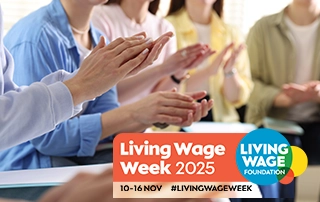
Living Wage Week: Auditing Pay Fairness in 2025
Living Wage Week 2025 (10–16 November) highlights the importance of fair pay for all employees in the UK and Ireland. Employers are encouraged to review salary structures, conduct pay audits, and ensure equitable compensation. Transparent pay practices strengthen compliance, morale, and employer credibility ahead of the new 2026 legislation. Auditing pay fairness goes beyond legal compliance. By analysing gender pay gaps, benchmarking salaries, and reviewing pay structures, businesses can prevent disparities and attract talent. HR Team helps organisations navigate these audits, implement corrective action, and align reward strategies with upcoming pay transparency requirements in the UK and Ireland. What is [...]